
Education
 WADA E-Learning
WADA has created the global Anti-Doping Education and Learning platform ADEL.
ADEL welcomes anyone who wants to learn about clean sport. Register and join ADEL on its website
Educate yourself in anti-doping – it could save your career!
Erythropoietin (EPO): UIPM's Insights on Performance and Health
Erythropoietin (EPO) is a hormone with significant medical importance but also controversial implications in sports. While EPO plays a critical role in treating medical conditions, its misuse for performance enhancement undermines the principles of clean sport and poses serious health risks. The Union Internationale de Pentathlon Moderne (UIPM) highlights the importance of understanding EPO, its risks, and its role in maintaining fair competition.
Understanding EPO and Its Role
EPO is a naturally occurring hormone produced in the kidneys, essential for stimulating the production of red blood cells (erythropoiesis). This process increases oxygen transport in the body, supporting endurance and recovery. In medical settings, synthetic EPO is used to treat anemia caused by kidney disease, chemotherapy, or other health conditions.
In sports, the misuse of EPO for blood doping artificially increases red blood cell count, boosting oxygen delivery to muscles and enhancing endurance. These effects have made EPO misuse prevalent in endurance sports like cycling and long-distance running.
Risks of EPO Misuse
While EPO is beneficial when used correctly in medical treatments, its misuse poses significant health risks:
- Increased blood viscosity: Elevated red blood cell counts thicken the blood, raising the risk of heart attacks, strokes, and pulmonary embolisms.
- Autoimmune reactions: The improper use of synthetic EPO can lead to severe autoimmune diseases.
- Unpredictable long-term effects: Extended misuse of EPO or biosimilar substances increases the potential for undetected health complications.
The use of EPO outside prescribed medical contexts is strictly prohibited by the World Anti-Doping Agency (WADA) due to its health risks and impact on fair competition.
UIPM’s Recommendations for Athletes
To ensure health and fairness, UIPM provides the following guidelines regarding EPO:
- Prioritize Clean Competition: Athletes are encouraged to rely on training, nutrition, and legitimate methods to enhance performance.
- Understand Anti-Doping Rules: EPO is listed under WADA's Prohibited List. Athletes should familiarize themselves with anti-doping regulations to avoid accidental violations.
- Seek Medical Advice: Any treatment involving EPO must be under the strict supervision of a medical professional and in compliance with Therapeutic Use Exemption (TUE) guidelines.
- Promote Awareness: Athletes, coaches, and support staff should educate themselves about the risks of EPO misuse and commit to clean sport principles.
Key Takeaways for Pentathletes
- EPO misuse is dangerous and undermines the values of fair play in sport.
- Athletes should focus on natural and ethical ways to improve performance.
- Education on anti-doping regulations and compliance is essential for all UIPM athletes.
UIPM remains committed to upholding the integrity of sport, emphasizing informed decisions that prioritize health and fair competition.
Stimulants: UIPM's Insights on Performance and Health
Stimulants are substances that enhance alertness, energy, and focus by speeding up the central nervous system (CNS). While they have legitimate medical uses, they are frequently misused in sports for performance enhancement. However, their use poses significant health risks and is strictly prohibited in-competition under the World Anti-Doping Agency (WADA) regulations.
The Union Internationale de Pentathlon Moderne (UIPM) highlights the dangers of stimulant misuse, their impact on fair competition, and how athletes can avoid unintentional violations.
Understanding Stimulants and Their Role
Stimulants are found in prescription medications, over-the-counter drugs, and some dietary supplements. The most common ones include:
- Amphetamines and Methylphenidate (Ritalin) – Medically used for ADHD and narcolepsy, but misused to boost concentration and endurance.
- Pseudoephedrine – A common nasal decongestant, which can enhance endurance and is prohibited above specific thresholds.
- Cocaine and Methamphetamine – Highly potent and illegal, these drugs pose severe cardiovascular and psychological risks.
- Methylhexanamine (DMAA) – A dangerous stimulant banned by WADA, often disguised under misleading names in supplements.
Methylhexanamine (DMAA): A Hidden Threat for Athletes
One of the most concerning stimulants in sports is methylhexanamine (DMAA), which has been found in contaminated dietary supplements and mislabeled as a natural extract. Athletes should be aware that DMAA may appear under various names, including:
⚠️ 1,3-Dimethylamylamine
⚠️ Geranium extract
⚠️ Forthane
⚠️ 4-Methylhexan-2-amine
⚠️ Pentylamine
⚠️ Floradrene
⚠️ 1,3-DMAA
These misleading names make it difficult for athletes to identify banned substances. UIPM strongly advises competitors to verify all supplements before use.
Risks of Stimulant Misuse
Although stimulants may temporarily enhance performance, their long-term consequences far outweigh any short-term gains.
Short-Term Risks:
❌ Increased heart rate and blood pressure
❌ Jitteriness, restlessness, and anxiety
❌ Dehydration and excessive sweating
❌ Reduced fine motor skills and decision-making
Long-Term Risks:
❌ Cardiovascular Strain – Increased risk of heart attacks, strokes, and arrhythmias.
❌ Psychological Dependence – Many stimulants have a high potential for addiction, leading to tolerance and withdrawal symptoms.
❌ Mental Health Issues – Paranoia, hallucinations, and aggression may develop from chronic stimulant misuse.
❌ Overdose Risk – Severe hyperthermia, seizures, and cardiovascular collapse can occur at high doses.
In endurance sports, where physical exertion already places stress on the heart, the use of stimulants drastically increases the risk of sudden cardiac events.
UIPM’s Recommendations for Athletes
To protect health, safety, and fair competition, UIPM strongly advises athletes to:
- Check Medications for Banned Stimulants – Some cold and allergy medications contain pseudoephedrine, which is banned above specific thresholds. Always consult a doctor or anti-doping expert before use.
- Beware of Hidden Stimulants in Supplements – Many weight-loss and pre-workout supplements contain DMAA, ephedrine, or other banned stimulants under deceptive names.
- Prioritize Natural Energy Sources – Athletes should rely on proper nutrition, hydration, and sleep to optimize performance rather than stimulants.
- Apply for a Therapeutic Use Exemption (TUE) – If an athlete requires a stimulant-based medication, they should apply for a TUE to ensure compliance with anti-doping regulations.
UIPM also encourages athletes to use trusted databases like Informed-Sport and Global DRO to verify supplement safety.
Key Takeaways for Pentathletes
✅ Stimulants, including methylhexanamine (DMAA), are prohibited in-competition under WADA regulations.
✅ Many banned stimulants are disguised under alternative names in supplements, increasing the risk of unintentional violations.
✅ Misuse of stimulants can lead to addiction, cardiovascular complications, and psychological disorders.
✅ Athletes should consult experts and use only third-party certified supplements to avoid anti-doping rule violations.
UIPM remains committed to educating athletes on clean sport and helping them make informed, ethical choices to ensure a fair and safe competitive environment.
Pre-Workout Pumps and Their Role in Athletic Performance
Pre-workout supplements are widely used by athletes aiming to enhance their endurance, strength, and mental focus. However, the use of these supplements, especially in competitive sports, raises concerns about their composition, effectiveness, and potential risks. The Union Internationale de Pentathlon Moderne (UIPM) provides insights into pre-workout pumps, their role in training, and the associated risks within clean sport.
What Are Pre-Workout Pumps?
Pre-workout supplements, commonly referred to as "pre-workout pumps," are designed to enhance blood flow, endurance, and energy before training. They typically contain a blend of amino acids, stimulants, and vasodilators that increase muscle oxygenation and delay fatigue. Some of the key ingredients include:
- L-Arginine and L-Citrulline – Amino acids that boost nitric oxide (NO) production, improving blood flow to muscles.
- Beta-Alanine – Helps buffer lactic acid buildup, reducing muscle fatigue.
- Creatine Monohydrate – Enhances power output and muscle recovery.
- Caffeine – Provides mental alertness and reduces perceived exertion.
Risks of Pre-Workout Supplements
While these ingredients can provide performance benefits, concerns remain about their regulation and potential health effects:
- Proprietary Blends – Many pre-workouts use undisclosed ingredient amounts, making it difficult to assess risks.
- Overstimulation – High doses of caffeine or other stimulants can cause jitteriness, heart palpitations, and anxiety.
- Contamination Risks – Studies indicate that some pre-workout supplements may contain banned substances or stimulants prohibited by WADA.
- Gastrointestinal Distress – High doses of certain amino acids can cause digestive discomfort.
UIPM’s Recommendations for Athletes
To maintain health and integrity in sport, UIPM advises athletes to:
- Choose Certified Products – Look for third-party tested supplements that comply with anti-doping regulations.
- Monitor Caffeine Intake – Avoid excessive caffeine consumption to prevent side effects and potential doping violations.
- Stay Educated – Be aware of WADA’s Prohibited List and consult experts before using supplements.
- Prioritize Natural Alternatives – Food-based solutions, such as beetroot juice or complex carbohydrates, can provide safe and effective pre-workout benefits.
Key Takeaway for Penthatletes
Pre-workout pumps can be beneficial when used responsibly, but athletes must remain cautious of unregulated ingredients and doping risks. UIPM emphasizes the importance of informed choices, clean sport, and ethical performance enhancement.
SARMs in Sports: UIPM’s Guidance for Clean Competition
Selective Androgen Receptor Modulators (SARMs) have garnered significant attention in recent years for their alleged ability to enhance performance without the risks associated with anabolic steroids. However, for athletes, SARMs represent a grave threat—not just to health but also to their careers and the values of clean sport. The Union Internationale de Pentathlon Moderne (UIPM) is committed to educating athletes about the dangers of SARMs and reinforcing the principles of fair play.
Understanding SARMs and Their Risks
Originally developed for therapeutic use, SARMs were intended to target muscle and bone tissues selectively while avoiding side effects on other organs. However, decades of research have failed to validate these claims, and SARMs have yet to receive clinical approval for any medical application.For athletes, SARMs pose numerous risks, including:
- Liver Toxicity: SARMs can cause significant strain on the liver, potentially leading to damage.
- Hormonal Disruption: These substances interfere with the body’s natural hormonal systems, causing testosterone suppression and long-term reproductive health issues.
- Cardiovascular Effects: SARMs have been linked to cholesterol imbalances and increased risks of heart-related complications.
Why SARMs Are Banned in Sports
SARMs are prohibited under WADA regulations due to their performance-enhancing effects and potential health risks. For UIPM athletes, the use of SARMs constitutes a violation of anti-doping rules and undermines the principles of clean sport. Strict liability ensures that athletes are held accountable for any banned substances detected in their systems, regardless of intent.
The Role of Social Media and Unregulated Markets
Social media has fueled the popularity of SARMs, often portraying them as "safe" alternatives to steroids. Unfortunately, these claims are misleading. Many SARMs products sold online are unregulated, mislabeled, or contaminated with harmful substances. For athletes, consuming these products increases the risk of inadvertent anti-doping violations and severe health consequences.
Recommendations for Athletes
To protect themselves and uphold the integrity of modern pentathlon, UIPM athletes should adopt the following practices:
- Avoid SARMs: Refrain from using any unregulated or prohibited substances.
- Stay Informed: Regularly review the WADA Prohibited List and seek guidance on anti-doping regulations.
- Supplements: Choose products from reputable suppliers that offer third-party testing and certification.
- Educate Your Team: Ensure that coaches, nutritionists, and support staff are fully aware of the risks associated with SARMs.
UIPM’s Commitment to Clean Sport
The UIPM is dedicated to promoting clean competition and safeguarding the health and careers of its athletes. Through education, workshops, and access to anti-doping resources, UIPM empowers athletes to make informed decisions and avoid the pitfalls of substances like SARMs.
In addition, UIPM encourages athletes to report any suspicious marketing practices or products to relevant authorities. By fostering a culture of vigilance and accountability, we can collectively uphold the values of clean sport.
Hydration in Sports: A UIPM Guide for Modern Pentathletes
For modern pentathletes, maintaining optimal hydration is critical not just for performance but also for safety. With events that demand a unique combination of endurance, precision, and mental focus, proper fluid management plays a key role in success. The Union Internationale de Pentathlon Moderne (UIPM) is dedicated to educating athletes on science-backed strategies to optimize hydration while avoiding common pitfalls.
Why Hydration Matters for Pentathletes
During exercise, approximately 75% of the energy generated by the body is released as heat. Sweating helps to regulate this heat, but it also results in fluid loss that, if not replaced, can impair performance and increase health risks. For pentathletes, dehydration can compromise endurance, strength, concentration, and recovery—critical elements in multi-discipline events.Even mild dehydration, as little as 2-4% of body weight loss, can cause:
- Increased heart rate and core body temperature.
- Reduced blood flow to muscles and skin.
- Symptoms like muscle cramps, dizziness, and cognitive decline.
UIPM athletes must prioritize proactive hydration strategies to maintain peak physical and mental performance throughout their events.
UIPM’s Recommendations for Effective Hydration
1. Start Hydrated: Begin each training session or competition with optimal hydration levels.
- Drink water consistently throughout the day
- Include sodium-rich meals, which aid in fluid retention and balance
- Monitor hydration status by checking urine color; light yellow indicates good hydration.
2. During Exercise:
- For sessions under 30-40 minutes, water is typically sufficient
- For events lasting over 90 minutes, use a sports drink with 4-8% carbohydrates and 400-1100 mg of sodium per liter. This combination replenishes fluids, provides quick energy, and prevents muscle cramps.
3. Post-Exercise:
- Rehydrate by consuming approximately 1.5 liters of fluid per kilogram of body weight lost during the session.
- Pair fluids with sodium-rich foods to expedite recovery and restore electrolyte balance.
Risks of Overhydration
While dehydration is a well-known threat, overhydration—drinking excessive amounts of water without sufficient electrolytes—can be equally dangerous. This condition, known as hyponatremia, dilutes sodium levels in the blood and can cause nausea, headaches, muscle cramps, and even life-threatening complications.Endurance athletes are particularly at risk, especially those who drink large volumes of plain water during prolonged exercise. Studies have shown that some marathon runners finish events with a higher body weight than they started, indicating excessive fluid consumption.
UIPM Athletes Should:
- Follow thirst cues rather than adhering to outdated advice to “drink before you’re thirsty.”
- Balance fluid intake with electrolyte replenishment to prevent hyponatremia.
Hydration Challenges in Multi-Discipline Events
Modern pentathlons present unique hydration challenges, with athletes performing in different environments and transitioning between events. Managing hydration during and between disciplines is essential to maintaining performance across the competition.
UIPM recommends:
- Plan Ahead: Prepare tailored hydration strategies for each phase of the competition.
- Use Portable Solutions: Carry electrolyte tablets or compact sports drinks to hydrate effectively between events.
- Practice Hydration During Training: Test your strategies during practice to ensure they work under competition conditions.
Key Takeaways for Pentathletes
Stay Balanced: Hydration is about more than just water—it requires maintaining a proper balance of fluids and electrolytes.
Listen to Your Body: Use thirst as your guide and adjust your intake based on environmental conditions and exercise intensity.
Prepare and Practice: Hydration strategies should be part of your overall competition plan, tested and refined during training.
By prioritizing hydration, UIPM athletes can protect their health, elevate their performance, and compete at their best in the diverse and demanding disciplines of modern pentathlon.
VITAMINS, MINERALS AND OTHER SUPPLEMENTS
Vitamins and minerals (when not consumed in food form) are classified as dietary supplements. Amino acids, botanicals, herbs, and substances such as enzymes, organ tissues and glandulars, and metabolites, are also classified as dietary supplements. Many athletes believe they do not get enough vitamins and minerals in their diet and wonder if they should start taking some sort of supplement; while other athletes are on a constant quest to find the latest diet or supplement that will give them a competitive edge.
The reality is that making wise food and beverage choices are crucial for peak performance and contribute to endurance and repair of injured tissues. A good working knowledge and understanding of foods that provide essential nutrients will aid in an athlete reaching their greatest potential.
Athletes have increased energy needs, which allows for more opportunities to obtain the nutrients they need through a balanced diet composed of a variety of natural foods. Most sports medicine professionals agree that unless an individual has a nutrient deficiency, supplementation may not improve athletic performance.
However, the athlete who takes a simple one-a-day type of vitamin or mineral that does not exceed the nutrient levels of the Recommended Dietary Allowance (RDA)/Dietary Reference Intake (DRI), is probably not doing any harm. An athlete should consult with his or her physician, or other health care professional, to determine whether vitamin and mineral supplementation is needed to maintain optimal health.
Nutrients that may be low in an athlete’s diet are listed in following chart. Choose a variety of foods in each food category to ensure that all nutrients are included in your diet.
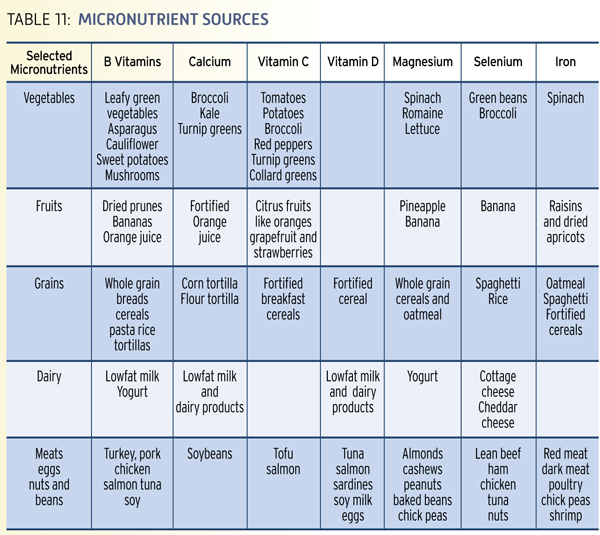
Natural foods contain a matrix of various nutrients that researchers are continuing to discover and learn more about. Often individual nutrients don’t work as effectively when isolated in a pill or supplement form.
Self-prescribed supplement users should heed overdose warnings and look for symptoms of toxic levels of supplementation, such as diarrhea, skin rashes that do not fade, and unexplained joint pain. Fat soluble vitamins (A, D, E, and K) can be toxic when misused. Unlike water soluble vitamins in which excess amounts are excreted in the urine, fat soluble vitamins are stored in body fat and remain in the body.
Athletes should always choose food over dietary supplementation. The body needs more than 40 nutrients every day and supplements do not contain all the nutrients that are found in food. Supplements cannot make up for a poor diet or poor beverage choices.
Athletes searching for a competitive edge often look to a supplement or a special combination of nutrients to find it. However, there are no quick-fix supplements for improving sports performance. Consuming a wide variety of foods and staying well hydrated are the basic cornerstones to reaching athletic potential.
For athletes subject to sport drug testing, taking nutritional or dietary supplements may cause a positive test for a prohibited substance that may not be disclosed on the product label. In accordance with all applicable rules for a positive test result within a sport, a sanction may be imposed.
Some trade associations and other businesses have programs that include analytical testing and quality assessment of dietary supplements, culminating in a “stamp of approval’ or a “guarantee” that the supplement is safe for use in sport. These programs may reduce the risk that a supplement is contaminated, or contains an undisclosed ingredient. HOWEVER, it does not eliminate this risk. Athletes who take dietary or nutritional supplements, even if claiming to be “approved” or “verified,” do so at their own risk of committing an anti-doping rule violation, or suffering from negative health side-effects.
You can find some advices in your National Anti-Doping Agency pages. example of such guide can be found here.
Risks of supplement use
There are thousands of nutrition supplements offered on the market and there are many claims that make these supplements sound attractive to athletes interested in performance, recovery, weight management, muscle building etc.
These potential benefits of supplements receive a lot of attention, but although supplements may, in some cases, provide an edge, there are also risks associated with the use of nutrition supplements.
- they may not work
- waste of money
- waste time and energy
- low quality
- may have opposite effect
- ingredient may not be present
- ingredient may not be listed
- contamination by prohibited substance such as steroids or diuretics
According to WADA´s principle of Strict Liability, every athlete is responsible for the presence of a prohibited substance or its markers/metabolites in his/her samples , irrespective of whether or not the Anti-Doping Rule violation was committed unintentionally or deliberately.
It is recommended to do a careful risk-benefit or cost-benefit analysis before using a nutrition supplement. This means: understanding the potential benefits and the evidence that the supplement may indeed (or may not) have the claimed effects. With cost it is not only meant financial costs but also the fact that a supplement could have negative effects on performance or on health. A risk could also mean that the supplement does not contain what it should contain. Perhaps there is less of the effective ingredient or there is too much of the active ingredient. It is also possible that there are substances in the supplement that were not listed in the label and it is even possible that some of these substances could result in a positive doping test. For elite athletes the risk of an adverse analytical finding could be devastating and potentially career ending.
Doping Control process
For Athletes
WADA’s Play True Quiz is an interactive game that tests athletes’ knowledge about anti-doping.

For Youth (Under 18)
Welcome to WADA’s Youth Zone, where you can find information on drug use in sport and why it is banned.

For Coaches
In order to cater to the various learning styles of coaches, WADA has created CoachTrue, a computer-based anti-doping learning tool.
